


- What Are the Core Medication Options for Treating Opioid and Alcohol Use Disorders?
- Benefits and Drawbacks of Naltrexone in Medication-Assisted Treatment
- Buprenorphine in Treating Opioid Addiction
- Insurance Verification for Medication-Assisted Treatment Programs
- How Ocean Recovery Supports Recovery
- Frequently Asked Questions
Opioid and alcohol use disorders can cause serious health and social harms. Effective, individualized treatment can support recovery. Medication treatment, combined with counseling and behavioral therapies, can support recovery for many people.
Today, this article provides a comprehensive comparison of the core medication options available for opioid and alcohol use disorders, particularly focusing on Naltrexone and Buprenorphine. Readers will learn about their mechanisms, benefits, and potential side effects. This information can help individuals and families prepare for treatment discussions. A qualified clinician should guide medication decisions.

What Are the Core Medication Options for Treating Opioid and Alcohol Use Disorders?
Medications can help treat opioid and alcohol use disorders by addressing cravings, withdrawal symptoms, or relapse risk. Naltrexone can treat alcohol or opioid use disorder, while buprenorphine is used for opioid use disorder. Their selection depends on a clinician’s assessment.
| Medication | Effectiveness | Side Effects |
|---|---|---|
| Naltrexone | May reduce alcohol cravings and block the effects of opioids | Nausea, headache, dizziness, fatigue |
| Buprenorphine | Alleviates opioid withdrawal symptoms and cravings | Constipation, headache, sedation |
| Both Naltrexone and Buprenorphine | Can support treatment engagement when clinically appropriate | Varies by individual response |
People should consult a qualified treatment provider about medication options based on their individual circumstances.
Differences Between Naltrexone and Buprenorphine in Treating These Disorders
Naltrexone is an opioid antagonist that blocks opioid receptors. It can treat opioid use disorder and alcohol use disorder. It may support recovery from opioid use disorder and reduce alcohol-related cravings or heavy drinking for some people. Buprenorphine is a partial opioid agonist used to treat opioid use disorder. It can reduce withdrawal symptoms and cravings, but overdose remains possible.
Response to naltrexone varies by formulation, condition, and individual. Buprenorphine may reduce withdrawal symptoms soon after appropriate, clinician-guided induction. Its suitability depends on the person’s treatment needs.
Medication Classes for Opioid Versus Alcohol Use Disorders
Medication options differ for opioid and alcohol use disorders. A qualified clinician can explain which options may fit an individual’s needs. These include:
- Opioid Antagonists: Naltrexone blocks opioid receptors and is also used to treat alcohol use disorder.
- Partial Opioid Agonists: Buprenorphine can reduce withdrawal symptoms and cravings in opioid use disorder.
- Alcohol Use Disorder Medications: Acamprosate, disulfiram, and naltrexone have different roles in supporting recovery.
Understanding these options can support informed discussions with a qualified clinician about treatment.
Benefits and Drawbacks of Naltrexone in Medication-Assisted Treatment
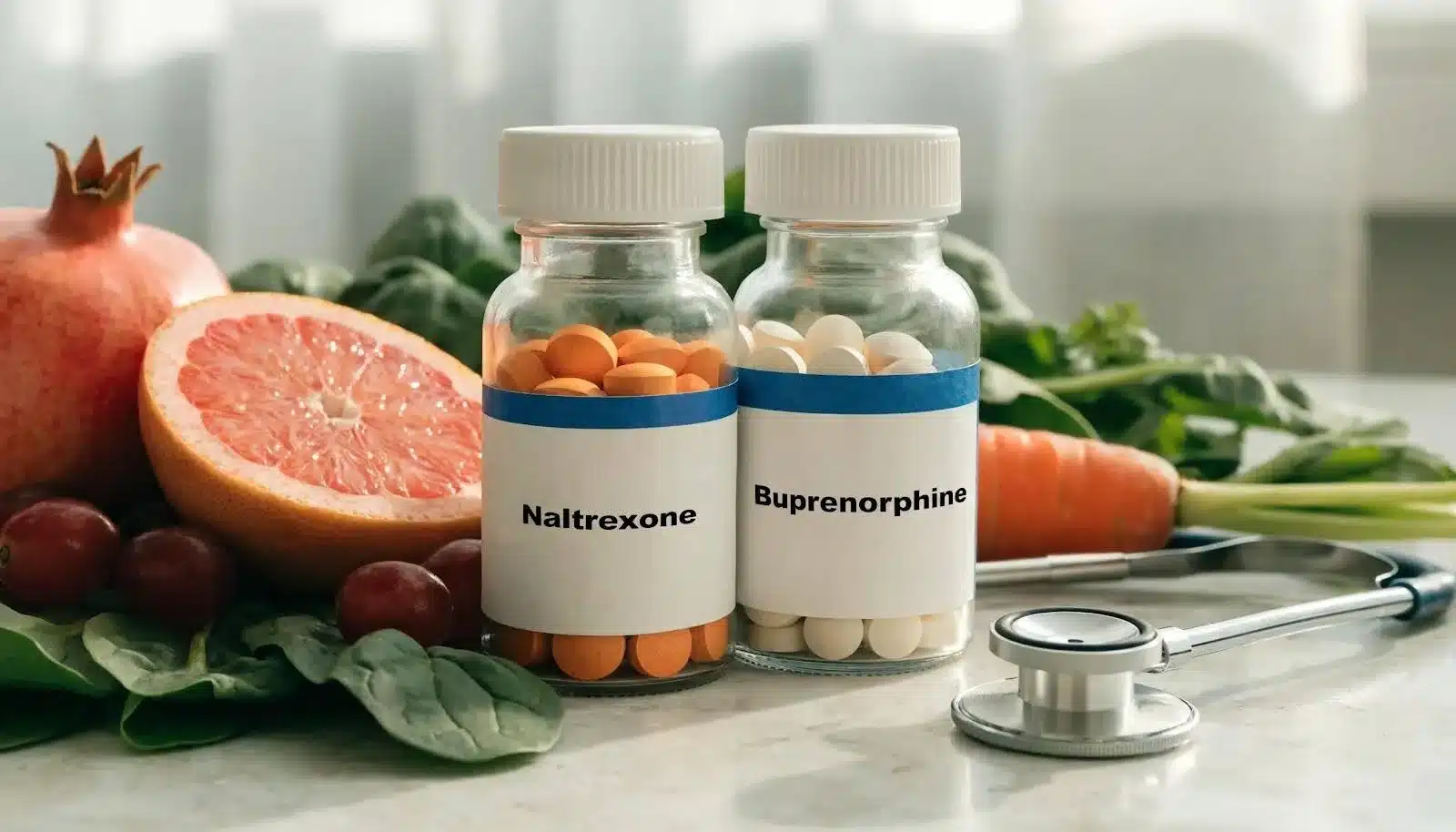
Naltrexone can be an option for alcohol or opioid use disorder. Its potential benefits depend on the diagnosis, formulation, and individual treatment plan. Naltrexone does not produce opioid effects. Some people can still experience dizziness, fatigue, or other side effects.
Naltrexone can cause side effects and may not be appropriate for everyone. Individuals may experience side effects such as nausea, dizziness, and fatigue, which can be limiting for some. Because it blocks opioid receptors, people must be opioid-free before starting naltrexone to avoid precipitated withdrawal.
Effectiveness of Naltrexone for Opioid Versus Alcohol Use Disorders
Evidence supports naltrexone for alcohol and opioid use disorders in appropriate patients. Outcomes vary by diagnosis, formulation, and treatment engagement. Naltrexone may reduce alcohol cravings and block opioid effects while a person is receiving treatment.
A clinician may consider naltrexone after assessing the person’s diagnosis, treatment goals, and opioid-use status. Its utility as a preventive measure against relapse solidifies its place in comprehensive treatment plans.
Common Side Effects and Contraindications of Naltrexone
While Naltrexone is generally safe, some patients may experience side effects, including:
- Gastrointestinal issues: Nausea and abdominal pain.
- Neurological effects: Headaches and dizziness.
- Fatigue: Reduced energy levels.
Patients must consult with healthcare providers to determine if Naltrexone aligns with their health status, particularly those with liver issues or a history of opioid use.
Buprenorphine in Treating Opioid Addiction
Buprenorphine is a partial opioid agonist used to treat opioid use disorder. It partially activates opioid receptors, which can reduce withdrawal symptoms and cravings. Its ceiling effect does not eliminate overdose risk.
Buprenorphine can support stabilization and ongoing treatment for opioid use disorder. It should be part of an individualized plan with appropriate clinical monitoring.
Buprenorphine’s Role in Reducing Opioid Withdrawal Symptoms
Buprenorphine’s primary advantage lies in its ability to alleviate withdrawal symptoms, enabling individuals to transition into recovery more smoothly. Patients often report a marked improvement in their ability to manage cravings and distress associated with withdrawal.
As a prescribed option, Buprenorphine requires careful management and patient adherence to ensure success. Regular consultations with healthcare providers are crucial for monitoring progress and adjusting treatment plans as necessary.
Potential Risks and Side Effects Associated with Buprenorphine
Buprenorphine can cause side effects and carries risks, particularly when combined with other sedating substances. Common side effects may include:
- Constipation: Often necessitating dietary changes or medications.
- Sedation: Some individuals may feel excessively sleepy or lethargic.
- Physical Dependence can occur with buprenorphine, but it is not the same as addiction.
A qualified clinician considers individual circumstances and potential drug interactions when prescribing buprenorphine.
Insurance Verification for Medication-Assisted Treatment Programs
Navigating insurance verification for Medication Assisted Treatment programs can be daunting for patients and their families. Verification may clarify benefits, requirements, and expected costs before treatment begins.
Steps to Verify Insurance Coverage for MAT Medications
Patients seeking insurance coverage for MAT medications should follow these steps:
- Gather Documentation: Collect all necessary medical records and treatment history.
- Consult with Providers: Speak to the treatment facility or healthcare provider regarding accepted insurance plans.
- Contact Insurance Provider: Ask about benefits, prior authorization, and medication coverage.
By following these steps, individuals can secure their treatment options and access vital resources without delay.
Impact of Insurance Acceptance on Access to Naltrexone and Buprenorphine
Insurance coverage can affect access to naltrexone, buprenorphine, and related treatment services. When insurance providers cover these medications, it significantly reduces the financial burden on patients, enhancing their likelihood of entering treatment and adhering to prescribed plans.
Ocean Recovery offers assistance in verifying insurance coverage as part of its commitment to facilitating access to necessary treatment, ensuring that individuals can focus on recovery rather than the complexities of insurance.
How Ocean Recovery Supports Recovery
At Ocean Recovery, we are dedicated to supporting individuals on their journey to overcome opioid and alcohol use disorders. We understand that each person’s path to recovery is unique, and we provide comprehensive Medication-Assisted Treatment options tailored to meet diverse needs.
Our team of experienced healthcare professionals works closely with patients to develop personalized treatment plans that combine medications like Naltrexone and Buprenorphine with counseling and behavioral therapies. We prioritize creating a welcoming and supportive environment that fosters long-term sobriety and wellness.
We are committed to guiding you through every step of the recovery process, from initial assessment and medication selection to insurance verification and ongoing care. By choosing Ocean Recovery, you gain access to expert resources, compassionate care, and a network dedicated to helping you achieve lasting recovery.
Frequently Asked Questions
What should I consider when choosing between Naltrexone and Buprenorphine?
When deciding between Naltrexone and Buprenorphine, consider your specific needs, medical history, and preferences. Naltrexone is often a better fit if you are looking for a medication that does not induce sedation and focus on reducing cravings. However, if you are managing withdrawal symptoms, Buprenorphine may provide quick relief. It’s crucial to consult with a healthcare provider to identify the most suitable option based on your recovery goals.
Are there alternative medications available for opioid and alcohol use disorders?
Yes, beyond Naltrexone and Buprenorphine, other medications exist. Disulfiram, often used for alcohol dependence, creates unpleasant symptoms if alcohol is consumed. Acamprosate helps restore the balance of neurotransmitters related to alcohol addiction. Understanding the full range of available medications can help you make informed choices about your treatment options.
Can I use both Naltrexone and Buprenorphine simultaneously?
Using Naltrexone and Buprenorphine together is generally not recommended due to their opposing mechanisms. Naltrexone blocks opioid receptors, while Buprenorphine partially activates them. Taking them together may lead to reduced effectiveness and potential withdrawal symptoms for those using Buprenorphine. If you have concerns regarding treatment combinations, consulting with a healthcare professional is essential.
How long does it take for Naltrexone and Buprenorphine to show results?
Naltrexone often shows effectiveness within a few weeks, helping reduce cravings in individuals overcoming alcohol and opioid use disorders. In contrast, Buprenorphine may provide quicker relief from withdrawal symptoms and cravings, helping individuals stabilize as they begin their recovery. Monitoring progress with your healthcare provider can offer insights into whether your chosen medication is effective.
OCEAN RECOVERY EDITORIAL GUIDELINES
The internet contains a vast amount of misinformation, but when it comes to your health only peer reviewed, research centered data matters. At Ocean Recovery, all content published throughout our website has been rigorously medically reviewed by a doctorate level clinician, and cross checked for medical accuracy. Our editorial process helps our readers trust that the information they are consuming is factual and based upon scientific data. Your health is our top priority, find out more about how we safeguard the integrity of information on our website. Read More About Our Process