

- Can You Drink Alcohol While Taking Meloxicam?
- How Meloxicam Works And Why Risks Matter
- Why Alcohol Raises Meloxicam Side Effect Risks
- Who Faces Higher Risks From This Combination?
- How Much Alcohol Is Safe With Meloxicam?
- How Long After Meloxicam Should You Wait?
- What To Do After Mixing Both Substances
- Safer Pain Management Alternatives Worth Discussing Today
- Alcohol And Chronic Pain Can Reinforce Problems
- When Drinking Becomes Harder To Control Safely
- Ocean Recovery Supports Alcohol Recovery And Healing
- Frequently Asked Questions About Meloxicam And Alcohol
- References
Key Points
- Meloxicam is a prescription NSAID that treats pain and inflammation but is not a narcotic or controlled substance.
- Combining meloxicam and alcohol significantly increases risks of gastrointestinal bleeding, ulcers, liver damage, and cardiovascular complications.
- Due to meloxicam's long half-life of 15 to 20 hours, the medication remains active in your body for at least 24 hours after taking a dose.
- Older adults, individuals with liver or kidney disease, and those who binge drink face higher risks when mixing these substances.
- Safer pain management alternatives include acetaminophen, non-pharmacologic treatments, and lifestyle modifications.
- If you are struggling with alcohol use while managing chronic pain, professional treatment can help you find healthier coping strategies.
Mixing meloxicam and alcohol can increase certain health risks, especially stomach irritation, ulcers, and gastrointestinal bleeding. [1] The safest approach is generally to avoid alcohol while taking meloxicam unless your doctor or pharmacist has told you otherwise.
There is also no universal number of hours after a meloxicam dose when drinking suddenly becomes safe. Your dose, health history, other medications, and drinking pattern can all affect your individual risk.
Can You Drink Alcohol While Taking Meloxicam?
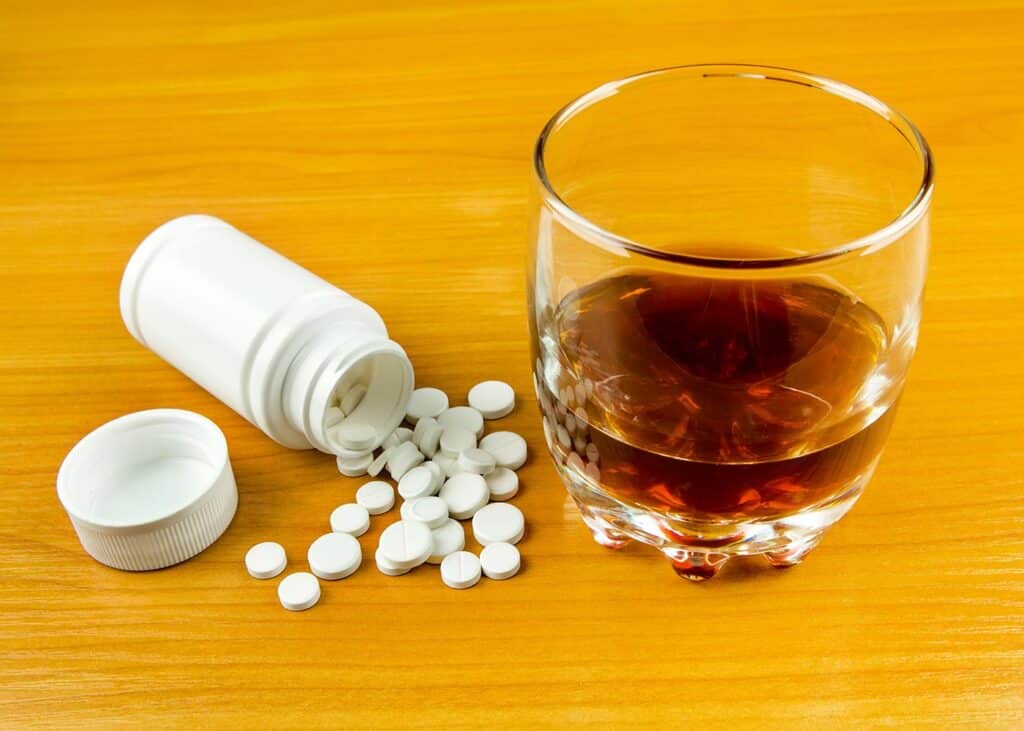
Drinking alcohol while taking meloxicam is generally not recommended because both can contribute to gastrointestinal problems. Meloxicam belongs to a class of medications called nonsteroidal anti-inflammatory drugs, or NSAIDs. NSAIDs can cause serious stomach and intestinal bleeding, sometimes without warning.
Alcohol can further increase that concern. The National Institute on Alcohol Abuse and Alcoholism (NIAAA) reports that combining alcohol with NSAIDs significantly increases gastrointestinal bleeding risk. Its review notes that consuming up to one alcoholic drink per day is associated with about a 37% increase in NSAID-related gastrointestinal bleeding risk.
That does not mean every person who has one drink while taking meloxicam will experience bleeding. It does mean that drinking should not automatically be considered harmless.
How Meloxicam Works And Why Risks Matter
Meloxicam is a prescription NSAID that reduces inflammation and pain by affecting the production of prostaglandins. These substances contribute to pain and inflammation but also serve protective functions elsewhere in the body, including the digestive tract and kidneys.
Because of these effects, meloxicam can provide useful pain relief while still carrying important gastrointestinal, cardiovascular, kidney, and other risks. [2]
What Doctors Prescribe Meloxicam To Treat Most
Meloxicam is commonly prescribed for pain, tenderness, stiffness, and inflammation associated with conditions such as osteoarthritis and rheumatoid arthritis. Some formulations are also used in certain younger patients with juvenile arthritis.
Meloxicam is not an opioid and does not work like medications such as oxycodone or hydrocodone. However, being non-opioid does not mean it is free from serious side effects.

How Long Meloxicam Remains In Your System
Meloxicam stays in the body considerably longer than many short-acting pain relievers. Current prescribing information shows a mean elimination half-life around 20 hours in studied populations, although individual values can vary.
A half-life describes approximately how long it takes the body to reduce the amount of a drug by half. It does not mean meloxicam disappears completely after one half-life.
This is why calculating a supposedly safe time to drink based only on when you swallowed your last tablet can be misleading.
Why Alcohol Raises Meloxicam Side Effect Risks
The interaction between alcohol and meloxicam is best understood as overlapping risk rather than alcohol simply making meloxicam “stronger.”
The greatest concern involves the gastrointestinal tract, although kidney health, liver health, cardiovascular conditions, and other medications can also affect someone’s overall risk.
Stomach Bleeding Is The Main Interaction Concern
Meloxicam can cause inflammation, ulcers, bleeding, and even perforation of the stomach or intestines. These complications may happen during short- or long-term NSAID treatment and can sometimes occur without obvious warning symptoms.
Alcohol can irritate the gastrointestinal tract and increase bleeding risk associated with NSAIDs. That makes frequent or heavy drinking particularly concerning when meloxicam is being used.
People who previously experienced stomach ulcers or gastrointestinal bleeding require additional caution.
Kidney Risks Increase With Dehydration And Illness
NSAIDs such as meloxicam can affect blood flow through the kidneys. Risk is greater in people with existing kidney problems and certain other health conditions.
Alcohol can also contribute to dehydration, particularly when consumed in larger amounts. Dehydration may add to kidney-related concerns in someone already vulnerable to NSAID complications.
If you have kidney disease, heart failure, liver disease, or take medications that affect kidney function, discuss alcohol use with your prescribing clinician rather than relying on general drinking guidelines.
Liver Concerns Depend On Your Health History
Serious liver injury from NSAIDs is uncommon, but meloxicam labeling includes warnings about liver enzyme abnormalities and rare severe hepatic reactions. [3]
Heavy or long-term alcohol consumption can independently damage the liver. People with existing liver disease or substantial alcohol use therefore need individualized medical advice before using meloxicam.
Symptoms such as yellowing of the skin or eyes, unusual fatigue, nausea, or pain in the upper-right abdomen should be discussed promptly with a healthcare professional.
Heart And Blood Pressure Risks Need Context
Meloxicam and other NSAIDs carry warnings about serious cardiovascular events, including heart attack and stroke. NSAIDs can also cause new or worsening high blood pressure.
These are established risks of NSAID treatment itself. It would be inaccurate to claim that every alcoholic drink directly multiplies meloxicam’s cardiovascular effects.
People with hypertension, heart disease, previous heart attack, or stroke should discuss their individual alcohol and medication risks with their healthcare provider.
Who Faces Higher Risks From This Combination?
Not everyone has the same likelihood of developing complications. Risk may be higher if you:
- Have previously experienced ulcers or gastrointestinal bleeding.
- Are an older adult.
- Drink heavily or frequently.
- Take meloxicam for extended periods.
- Have kidney, liver, or cardiovascular disease.
- Are dehydrated or in poor general health.
- Smoke cigarettes.
- Take aspirin or another NSAID.
- Take anticoagulants such as warfarin.
- Use oral corticosteroids.
- Take certain SSRIs or SNRIs.
Meloxicam prescribing information specifically identifies alcohol use, older age, previous GI disease, longer NSAID use, corticosteroids, aspirin, anticoagulants, SSRIs, smoking, and poor general health as factors that can increase gastrointestinal complications. [4]
How Much Alcohol Is Safe With Meloxicam?
There is no universal amount of alcohol that can be guaranteed safe for everyone taking meloxicam.
Individual risk changes according to how much and how often you drink, your meloxicam dose and treatment duration, medical history, age, and other medications.
If meloxicam is prescribed regularly, ask your physician or pharmacist whether alcohol should be avoided completely during your treatment.
Does One Drink Still Carry Any Risk?
One beer or glass of wine does not guarantee that a complication will occur. However, it also cannot be described as risk-free.
NIAAA reports an increased gastrointestinal bleeding risk when alcohol and NSAIDs are combined, even at relatively low alcohol consumption levels.
Someone with a prior ulcer, bleeding disorder, kidney disease, or interacting medication may face considerably different risks from a healthy person without those factors.
Does Meloxicam Dose Change Alcohol Interaction Risk?
Meloxicam should generally be taken at the lowest effective dose for the shortest duration needed, consistent with treatment goals.
A lower dose does not automatically make alcohol safe. Personal risk factors and treatment duration still matter, so changing your dose to accommodate drinking without medical guidance is not advisable.
How Long After Meloxicam Should You Wait?
There is no authoritative universal waiting period after meloxicam that guarantees alcohol can be consumed safely.
Because meloxicam has a relatively long half-life, a meaningful amount can remain in the body the day after a dose.
If you have finished treatment and want to resume drinking, ask your doctor or pharmacist how long you should wait based on your dosage, treatment duration, health history, and other medications.
Why Twenty Four Hours Is Not Guaranteed
A common online recommendation is to wait 24 hours after taking meloxicam before drinking. That should not be interpreted as a medically established safety threshold.
With a half-life around 20 hours in studied populations, approximately half of the drug may still be present around that timeframe, depending on the individual. Multiple half-lives are needed for most of a medication to leave the body.
Timing alone also does not erase personal risk factors such as previous ulcers or kidney disease.
What To Do After Mixing Both Substances
If you have already consumed alcohol after taking meloxicam, do not assume that a serious reaction is inevitable. Avoid additional alcohol and pay attention to unusual symptoms.
Contact your doctor, pharmacist, or another qualified healthcare professional if you are concerned, particularly if you drank heavily, take other medications that increase bleeding risk, or have a history of gastrointestinal, kidney, liver, or cardiovascular disease.
Watch Carefully For These Serious Warning Signs
Seek prompt medical attention if you develop symptoms that may suggest gastrointestinal bleeding, including:
- Vomit containing blood or material resembling coffee grounds.
- Blood in your stool.
- Black or tarry stools.
- Significant or persistent stomach pain.
Meloxicam-related stomach or intestinal bleeding can sometimes occur without warning [5], which is why significant symptoms should not be ignored.
When Emergency Medical Care May Be Needed
Call emergency medical services if you experience chest pain, severe shortness of breath, sudden weakness on one side of the body, slurred speech, loss of consciousness, or another severe or rapidly worsening symptom.
These can indicate potentially serious complications requiring immediate medical assessment.
Safer Pain Management Alternatives Worth Discussing Today
If avoiding alcohol while using meloxicam is difficult, do not simply replace meloxicam with another pain medicine without checking its risks.
Other NSAIDs, including ibuprofen, naproxen, and aspirin, also carry gastrointestinal bleeding concerns when combined with alcohol. Acetaminophen is not automatically a safer alcohol-compatible choice either. NIAAA warns that alcohol and acetaminophen can interact in ways that increase liver toxicity concerns, particularly with chronic heavy drinking.
Your healthcare provider can help choose an approach based on the reason for your pain and your medical history.
Non-Drug Options Can Reduce Pain Safely
Depending on the condition causing pain, a healthcare professional may recommend non-medication strategies such as:
- Physical therapy.
- Appropriate strengthening or mobility exercises.
- Heat or cold therapy.
- Activity modification.
- Weight management when medically relevant.
- Occupational therapy or ergonomic changes.
These approaches will not replace medication for every condition, but they may reduce reliance on medication for some people.
Other Pain Medicines Are Not Automatically Safer
Switching medications should be based on the underlying condition rather than which drug appears most compatible with drinking.
For example, other NSAIDs share many of meloxicam’s gastrointestinal risks, while acetaminophen introduces different concerns involving the liver when alcohol use is substantial.
Tell your healthcare provider honestly how often and how much you drink so they can recommend treatment with a clearer understanding of your risk.
Alcohol And Chronic Pain Can Reinforce Problems
Pain and alcohol use sometimes become connected. Someone living with persistent pain may begin drinking to relax, sleep, or temporarily reduce distress.
Alcohol may initially make pain feel less noticeable, but relying on it for pain management can create additional health and behavioral problems. NIAAA specifically advises people using medications for pain to discuss alcohol-related interactions with a doctor or pharmacist.
If alcohol repeatedly interferes with medication safety, relationships, responsibilities, or attempts to control drinking, the issue may extend beyond a single drug interaction.
When Drinking Becomes Harder To Control Safely
Having alcohol while taking meloxicam does not by itself mean someone has an alcohol use disorder.
However, difficulty reducing alcohol consumption despite knowing that drinking may worsen a medical condition or create medication risks deserves attention.
Other warning signs can include increasing alcohol use, unsuccessful efforts to cut back, strong cravings, drinking despite personal consequences, or spending substantial time obtaining, using, or recovering from alcohol.
A qualified addiction or healthcare professional can assess these patterns and determine whether additional support is appropriate.
Ocean Recovery Supports Alcohol Recovery And Healing
At Ocean Recovery in Newport Beach, we provide treatment for alcohol and other substance use disorders, including medically supported detox in Orange County, residential treatment, partial hospitalization, and intensive outpatient services. We also address co-occurring mental health concerns that may contribute to continued substance use.
If drinking has become difficult to control, particularly when it is interfering with pain treatment or other medications, we can help you receive a professional assessment to determine the most appropriate level of care.
We understand that recovery involves more than avoiding a single medication interaction. Our treatment approach is designed to address alcohol dependence, emotional triggers, relapse risks, mental health concerns, and healthier ways to manage stress and physical discomfort.
Frequently Asked Questions About Meloxicam And Alcohol
Can I Drink Wine While Taking Meloxicam?
Wine still contains alcohol, so switching from liquor or beer to wine does not eliminate the interaction concern. Alcohol can increase gastrointestinal bleeding risk associated with NSAIDs. If you take meloxicam regularly, ask your doctor or pharmacist whether alcohol should be avoided throughout treatment.
Can I Drink Beer While Taking Meloxicam?
Beer presents the same basic concern because ethanol, rather than the specific beverage, matters. There is no universally safe number of beers while taking meloxicam. Your overall alcohol intake, medical history, meloxicam treatment, and other medications determine your individual risk.
Can I Take Meloxicam After Drinking Alcohol?
There is no universal waiting period that guarantees taking meloxicam after drinking is safe. The answer depends partly on how much alcohol you consumed and your individual medical risks. If you have been drinking heavily or regularly, speak with a pharmacist or healthcare provider before taking meloxicam.
Is Meloxicam Addictive Or Habit Forming Medication?
Meloxicam is an NSAID rather than an opioid and is not generally considered an addictive or habit-forming medication. It should still be taken only as directed because inappropriate or prolonged NSAID use can increase the risk of serious side effects, including gastrointestinal, cardiovascular, and kidney complications.
Can Alcohol Make Meloxicam Side Effects Worse?
Alcohol can increase some clinically important risks associated with NSAID treatment, particularly gastrointestinal bleeding. Heavy alcohol consumption may create additional concerns depending on liver health, hydration, kidney function, other medications, and existing medical conditions. The safest recommendation should be individualized by your healthcare provider.
Disclaimer
This article is for general educational purposes only and does not replace professional medical advice, diagnosis, or treatment. Do not stop, reduce, or change your prescribed pregabalin dose without guidance from your healthcare provider. Seek immediate medical care if you experience severe or potentially life-threatening symptoms.
References
5.https://dailymed.nlm.nih.gov/dailymed/drugInfo.cfm?setid=040fecdb-68cf-4967-90ce-c2130b520615
Frequently Asked Questions
OCEAN RECOVERY EDITORIAL GUIDELINES
The internet contains a vast amount of misinformation, but when it comes to your health only peer reviewed, research centered data matters. At Ocean Recovery, all content published throughout our website has been rigorously medically reviewed by a doctorate level clinician, and cross checked for medical accuracy. Our editorial process helps our readers trust that the information they are consuming is factual and based upon scientific data. Your health is our top priority, find out more about how we safeguard the integrity of information on our website. Read More About Our Process