

- Key Facts About Steroids and Alcohol
- What Happens When Combining Steroids and Alcohol?
- Possible Steroid and Alcohol Side Effects
- Some People Face Greater Health Risks
- Anabolic Steroids and Alcohol Carry Different Risks
- Drinking After Completing Prescription Steroid Treatment
- Avoid Alcohol When Drinking Feels Uncontrollable
- Find Alcohol Recovery Support at Ocean Recovery
- Frequently Asked Questions About Steroids and Alcohol
- Reference
Key Points
- Combining steroids and alcohol is risky and not recommended due to the potential for increased effects and adverse effects.
- A number of dangerous side effects are possible when steroids and alcohol are used together, including a weakened immune system, unpredictable mood swings, liver damage, stomach ulcers, and elevated heart rate are some of the potential outcomes.
- Some individuals are at a greater risk than others, including older people and those with preexisting health conditions like liver disease or diabetes, or those with a history of substance use disorder.
- It’s best to avoid alcohol use during steroid treatment to reduce adverse health effects.
Steroids such as prednisone, prednisolone, methylprednisolone, and dexamethasone are commonly prescribed to control inflammation and immune-related conditions. [1] Although alcohol does not always interact directly with corticosteroids, drinking may worsen side effects involving the stomach, mood, sleep, blood pressure, and blood sugar.
Anabolic steroids carry different concerns and may create additional health dangers when combined with alcohol. In this guide, we discuss these risks, who may be especially vulnerable, and when professional medical treatment or addiction support may also become necessary.
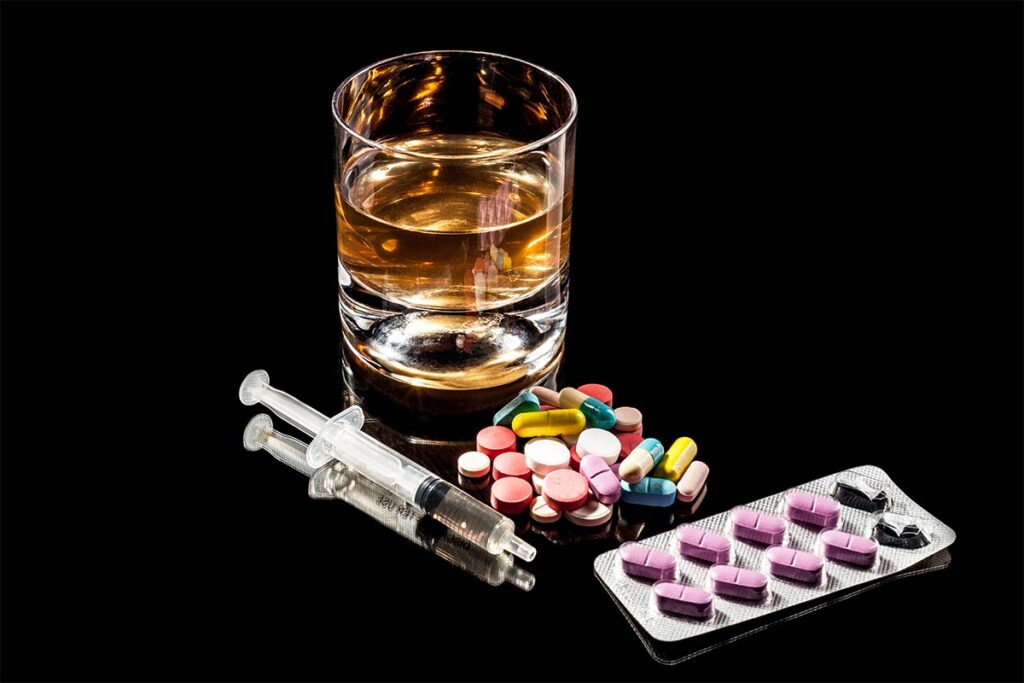
Key Facts About Steroids and Alcohol
Steroids and alcohol do not always interact directly, but using them together can create overlapping health concerns. Understanding these risks can help you make safer decisions during treatment.
Important Safety Points You Should Understand
Alcohol does not have a well-established direct interaction with prednisone or prednisolone. However, drinking may worsen steroid side effects such as stomach irritation, insomnia, mood changes, high blood pressure, and unstable blood sugar.
Frequent or heavy alcohol consumption creates greater risks than occasional, limited drinking. People with diabetes, liver disease, ulcers, hypertension, mental health conditions, or alcohol use disorder may be especially vulnerable.
Never stop taking a prescribed corticosteroid suddenly unless a medical professional tells you to do so. Anyone struggling to control their alcohol consumption should seek professional guidance.
Why Personal Medical Guidance Still Matters
The safety of drinking alcohol while using steroids depends on several factors. These include the specific medication, dosage, treatment length, reason for taking steroids, and your general health. [2]
A short course of low-dose prednisone may carry fewer risks than prolonged treatment with a high dose. Your other medications can also affect whether alcohol is safe.
Tell your doctor or pharmacist how frequently you drink and how much you typically consume. Honest information allows them to provide recommendations based on your actual health risks.
What Happens When Combining Steroids and Alcohol?
Combining steroids with alcohol may make certain medication side effects more noticeable or difficult to manage. The outcome depends on the steroid, dose, drinking pattern, and individual health conditions.
Why Overlapping Side Effects Create Health Concerns
There is no widely recognized direct interaction between alcohol and prednisone that automatically makes the combination toxic. Some people may be able to consume a limited amount of alcohol while taking certain corticosteroids.
The main concern is that alcohol may intensify problems steroids can already cause. Both substances may irritate the digestive system. Steroids can also affect mood, sleep, blood pressure, and glucose regulation.
Alcohol can complicate these same areas, particularly when consumed heavily. Drinking may also make it harder to determine whether a symptom is being caused by the medication, alcohol, or the underlying condition.
How Steroid Type and Dosage Change Risk
Steroids can be taken orally, inhaled, injected, or applied to the skin. Each method affects the body differently. Oral corticosteroids generally create more whole-body side effects than topical products used on a limited area.
Risk also increases with larger doses and longer treatment periods. Someone taking prednisone for several months may require more caution than someone completing a brief course.
Anabolic steroids are different from prescription corticosteroids. They carry separate cardiovascular, hormonal, psychiatric, and liver-related risks, especially when misused or combined with heavy drinking.
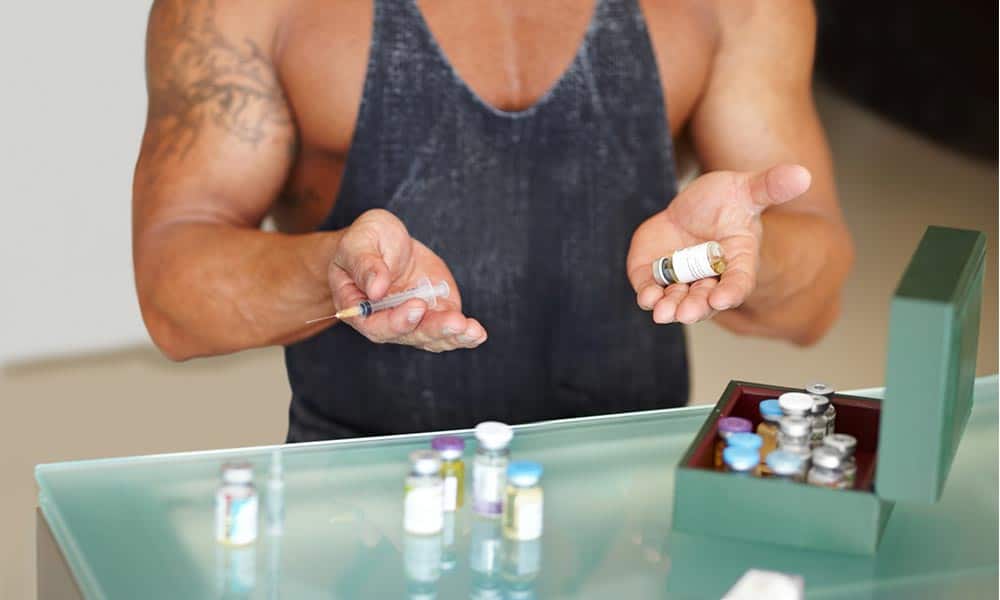
Possible Steroid and Alcohol Side Effects
Steroids and alcohol can affect several body systems. Using them together may worsen existing side effects or increase the likelihood of complications in vulnerable individuals.
Effects on Immunity, Blood Pressure, and Glucose
Corticosteroids reduce inflammation partly by changing immune-system activity. This effect is medically useful, but higher doses or prolonged treatment may make it harder for the body to fight certain infections. [3]
Heavy alcohol use can also interfere with immune defenses and slow recovery. Contact your healthcare provider if you develop a fever, persistent sore throat, unusual fatigue, or a slow-healing wound.
Oral corticosteroids may cause sodium and fluid retention, resulting in swelling or increased blood pressure. Regular heavy drinking is also associated with hypertension and may make an existing heart condition harder to manage.
Steroids can raise blood glucose and reduce the body’s sensitivity to insulin. Alcohol may cause blood sugar to rise or fall depending on the drink, amount consumed, food intake, and medications used. People with diabetes may require more frequent glucose monitoring during steroid treatment.
Mood Changes, Sleep Problems, and Impaired Judgment
Steroids can influence mood, behavior, and sleep. Possible effects include irritability, anxiety, restlessness, depression, insomnia, or an unusually elevated mood. More serious psychiatric reactions can occur, especially with higher doses.
Alcohol lowers inhibitions and impairs judgment. It can also worsen anxiety, depression, aggression, or emotional instability after its initial effects wear off. Drinking during steroid treatment may therefore make mood changes less predictable.
Prednisone and similar steroids can cause restlessness or difficulty sleeping. Although alcohol may initially create drowsiness, it often disrupts sleep later and reduces sleep quality. [4]
Get medical advice promptly if you experience severe agitation, confusion, hallucinations, suicidal thoughts, or extreme behavioral changes.
Digestive, Liver, and Bleeding-Related Health Concerns
Alcohol can irritate the stomach lining and worsen heartburn, gastritis, or ulcer symptoms. Oral corticosteroids may also cause indigestion and abdominal discomfort.
Research has associated corticosteroid treatment with an increased risk of gastrointestinal bleeding or perforation. The risk may rise further when steroids are combined with aspirin or nonsteroidal anti-inflammatory drugs such as ibuprofen and naproxen.
Corticosteroids do not usually damage the liver when used correctly. Alcohol also does not have a proven direct liver interaction with prednisone. However, heavy drinking can independently cause inflammation, fatty liver disease, and permanent liver injury.
Seek immediate medical attention if you vomit blood, pass black or tarry stools, develop yellow skin or eyes, experience severe abdominal pain, or notice unusual swelling.
Some People Face Greater Health Risks
Although anyone can experience complications, certain medical conditions and medications increase the potential dangers. These factors should be discussed with a healthcare professional before drinking alcohol.
Medical Conditions That Can Increase Your Risk
Alcohol use during steroid treatment may be especially concerning for people with diabetes, high blood pressure, heart disease, liver disease, or kidney problems.
People with gastritis, stomach ulcers, or previous gastrointestinal bleeding also require additional caution. Drinking may aggravate digestive irritation and make complications more likely.
Steroids and alcohol can both affect emotional stability. Anyone with depression, bipolar disorder, anxiety, or another mental health condition should discuss alcohol use with their healthcare provider.
A weakened immune system, active infection, osteoporosis, or alcohol use disorder may also increase the likelihood of harmful outcomes. [5]
Medications and Life Stages Requiring Extra Caution
Combining steroids with aspirin, ibuprofen, naproxen, blood thinners, or certain other medicines may increase the risk of stomach irritation or bleeding. Do not start or stop another medication without professional guidance.
Older adults may be more sensitive to both medication side effects and alcohol. They are also more likely to take several prescriptions, increasing the possibility of an unexpected interaction.
Pregnant people and anyone trying to become pregnant should discuss steroid treatment and alcohol consumption with a qualified healthcare professional.
Anabolic Steroids and Alcohol Carry Different Risks
Anabolic steroids differ from corticosteroids prescribed for inflammation. Combining anabolic steroid misuse with alcohol may create serious cardiovascular, liver, hormonal, and mental health concerns.
Why Anabolic Steroids Require Additional Caution
Anabolic-androgenic steroids are not the same as corticosteroids such as prednisone. Some people misuse anabolic steroids to increase muscle size, physical strength, or athletic performance. Anabolic steroid misuse can contribute to high blood pressure, unhealthy cholesterol levels, heart problems, liver injury, hormonal disruption, infertility, and psychiatric symptoms.
Alcohol may add to cardiovascular and liver-related risks. [6] It can also impair judgment, increasing the possibility of unsafe steroid dosing or additional substance use.
Possible Withdrawal and Mental Health Effects
Stopping anabolic steroids may lead to depression, fatigue, sleep disturbances, reduced sex drive, and strong urges to resume using them.
Some people experience significant emotional distress after discontinuing anabolic steroids. Mental health support may be necessary when depression or other serious symptoms develop. Medical and behavioral treatment can be particularly important when anabolic steroid misuse occurs alongside heavy drinking or another substance use disorder.
Drinking After Completing Prescription Steroid Treatment
Completing your prescription does not always mean alcohol can be consumed immediately. Your clinician may recommend waiting based on your treatment duration, side effects, and underlying condition.
When Alcohol May Be Reintroduced Safely
There is no universal waiting period for drinking after completing corticosteroid treatment. Appropriate timing depends on the medication, dose, treatment length, underlying condition, and side effects experienced.
Ask your prescriber when alcohol can be safely reintroduced. If your clinician says drinking is acceptable, begin cautiously and avoid binge drinking. Stop drinking and seek advice if you experience stomach pain, dizziness, severe mood changes, or unusual blood sugar readings.
Why Steroids Should Never Be Stopped Suddenly
Do not stop prednisone early or skip doses because you want to drink. After prolonged or high-dose treatment, the medication may need to be reduced gradually.
Suddenly stopping corticosteroids can cause withdrawal symptoms and prevent the adrenal glands from producing enough natural cortisol. Possible symptoms include severe weakness, fatigue, nausea, vomiting, joint pain, and low blood pressure.
Follow the tapering schedule provided by your healthcare professional. Seek urgent medical help if you experience fainting, confusion, persistent vomiting, or intense abdominal pain.
Avoid Alcohol When Drinking Feels Uncontrollable
Finding it difficult to avoid alcohol may signal a larger problem than a medication interaction. Recognizing the warning signs can help you seek appropriate care before serious consequences develop.
Signs That Professional Alcohol Support Is Needed
Steroid treatment may reveal that avoiding alcohol is more difficult than expected. Difficulty cutting down, strong cravings, repeated heavy drinking, or continued use despite health consequences may indicate alcohol use disorder.
Other warning signs include hiding your drinking, neglecting responsibilities, developing tolerance, and experiencing symptoms when alcohol wears off. Professional support can help you identify the factors driving alcohol use and develop healthier coping strategies. Treatment may also address anxiety, depression, trauma, or other co-occurring conditions.
Why Medical Withdrawal Support Can Protect You
Do not attempt sudden alcohol withdrawal without medical guidance if you drink heavily or have previously experienced withdrawal symptoms.
Alcohol withdrawal may cause sweating, shaking, nausea, anxiety, insomnia, and an increased heart rate. Severe cases can involve seizures, hallucinations, extreme confusion, and dangerous changes in blood pressure.
Medical detoxification provides monitoring, symptom management, and appropriate medication when necessary. Continued treatment can then address the behavioral and emotional aspects of alcohol addiction.
Find Alcohol Recovery Support at Ocean Recovery
Professional addiction treatment can provide the structure and clinical support needed to stop drinking safely. At Ocean Recovery, we create personalized plans that address alcohol use and co-occurring mental health concerns.
How Our Treatment Programs Support Lasting Recovery
At Ocean Recovery, we help men and women address alcohol addiction through personalized, clinician-led treatment in Newport Beach, California.
Our programs combine clinical care, evidence-based therapy, practical coping strategies, and compassionate support. We work with each client to understand the factors driving alcohol use and create a realistic recovery plan.
Treatment may include detoxification support, residential care, outpatient services, individual therapy, group therapy, and care for co-occurring mental health conditions.
Speak With Our Admissions Team Today
If drinking is affecting your health, relationships, work, or ability to take medication safely, professional help is available.
Our admissions team can explain available treatment options, answer questions, and help you understand the next steps. Call Ocean Recovery at 949-942-8495 to speak with our team today.
Frequently Asked Questions About Steroids and Alcohol
Can You Drink Alcohol While Taking Prednisone?
There is no established direct interaction that automatically prohibits alcohol with prednisone. However, drinking may worsen stomach irritation, mood changes, sleep problems, blood pressure, or glucose control. Ask your prescriber or pharmacist for advice based on your dose and medical history.
What Should You Avoid While Taking Steroids?
Do not receive certain live vaccines, start new supplements, or take medications such as ibuprofen, naproxen, or aspirin without checking with a healthcare professional. These restrictions depend on your steroid dose, treatment duration, and health conditions. Never discontinue an oral corticosteroid abruptly unless your clinician instructs you to do so.
Can You Drink Coffee While Using Steroids?
Coffee does not have a known dangerous interaction with prednisone for most people. However, caffeine and corticosteroids may both contribute to restlessness, insomnia, stomach discomfort, or increased blood pressure. Reducing caffeine may help if these symptoms develop.
Why Can Prednisone Make You Feel Better?
Prednisone can quickly reduce inflammation, swelling, and pain, which may produce a noticeable improvement in physical well-being. It can also cause mood elevation or a sense of increased energy in some people. Report unusually intense euphoria, agitation, sleeplessness, or impulsive behavior to your healthcare provider.
Disclaimer
This article provides general educational information and does not replace professional medical advice. Speak with your prescribing clinician before changing your medication or alcohol use.
Reference
- https://www.nhs.uk/medicines/steroids/
- https://www.nhs.uk/medicines/steroids/
- https://www.cdc.gov/vaccines/hcp/imz-best-practices/altered-immunocompetence.html
- https://www.niaaa.nih.gov/publications/brochures-and-fact-sheets/hangovers
- https://medlineplus.gov/druginfo/meds/a601102.html
- https://www.niaaa.nih.gov/alcohols-effects-health/alcohols-effects-body
Frequently Asked Questions About Steroids and Alcohol
OCEAN RECOVERY EDITORIAL GUIDELINES
The internet contains a vast amount of misinformation, but when it comes to your health only peer reviewed, research centered data matters. At Ocean Recovery, all content published throughout our website has been rigorously medically reviewed by a doctorate level clinician, and cross checked for medical accuracy. Our editorial process helps our readers trust that the information they are consuming is factual and based upon scientific data. Your health is our top priority, find out more about how we safeguard the integrity of information on our website. Read More About Our Process