

- What Meth Is and How It Affects You
- Short and Long-Term Effects of Meth
- Recognizing a Potential Meth Overdose Emergency
- Common Physical, Behavioral, and Psychological Warning Signs
- Recognizing the Signs of Meth Addiction
- How to Respond to Suspected Meth Use
- Professional Treatment Options for Meth Addiction
- Finding Meth Addiction Treatment at Ocean Recovery
- Frequently Asked Questions About Meth Use
- Reference
Key Points
- Methamphetamine (meth) is a highly addictive stimulant drug that has serious effects and risks. It is classified as a Schedule II controlled substance.
- Meth is primarily a recreational drug that is smoked, injected, swallowed, or snorted.
- Recognizing the signs of meth use can save the life of a loved one or help you recognize harmful patterns.
- Meth addiction is challenging but treatment is available. From Detox and partial hospitalization programs to therapy and long-term support, you can heal from the inside out. hard to overcome, but treatment can be effective.
Methamphetamine use can affect nearly every area of a person’s life. Warning signs may appear in their body, emotions, sleep, relationships, finances, or daily responsibilities. [1] Common signs include unusual energy, limited sleep, rapid weight loss, agitation, suspicious thinking, dental problems, and repeated periods of intense activity followed by exhaustion.
One symptom alone does not prove someone is using meth. Several medical and mental health conditions can cause similar changes. Look for sudden changes, repeated patterns, and multiple warning signs occurring together. A professional assessment is the safest way to determine what may be happening.
What Meth Is and How It Affects You
Methamphetamine, commonly called meth, crystal meth, ice, or speed, is a stimulant that increases activity in the brain and body. It can create a temporary sense of energy, alertness, confidence, and euphoria. These effects are partly connected to a sharp increase in dopamine, a brain chemical involved in motivation, movement, and reward.
Methamphetamine is classified as a Schedule II controlled substance in the United States. Limited prescription forms exist for specific medical purposes, but most meth sold illegally is produced without safety standards or quality controls. Street meth may appear as a white powder, tablets, or clear crystal-like pieces resembling glass.
People may smoke, swallow, snort, or inject meth. Smoking and injecting produce effects quickly, which can encourage repeated use. Some people continue taking the drug for hours or days to maintain its effects. These binges are often followed by a severe crash involving exhaustion, depression, hunger, and prolonged sleep.
Short and Long-Term Effects of Meth
The immediate effects of meth can include increased energy, reduced appetite, greater alertness, rapid speech, and an exaggerated sense of confidence. A person may appear unusually active or focused. However, they may also become restless, impulsive, anxious, or easily irritated.
Meth places significant pressure on the cardiovascular and nervous systems. Its short-term physical effects may include:
- Rapid or irregular heartbeat
- Elevated blood pressure
- Faster breathing
- Increased body temperature
- Heavy sweating
- Dilated pupils
- Tremors or muscle twitching
- Nausea
- Reduced appetite
- Difficulty sleeping
Repeated or high-dose meth use can cause more serious complications. According to the National Institute on Drug Abuse, long-term use is associated with addiction, insomnia, memory problems, and other physical and psychological effects.
Possible long-term consequences include severe weight loss, malnutrition, dental disease, persistent anxiety, impaired judgment, heart damage, and cognitive difficulties. Some people experience aggression, paranoia, hallucinations, or symptoms of psychosis. These symptoms may continue after the drug’s immediate effects have ended.
The method of use creates additional risks. Injecting meth may cause abscesses, damaged veins, and bacterial infections. [2] Sharing injection equipment increases the risk of HIV and viral hepatitis. Smoking may irritate the lungs, while snorting can damage the nose and surrounding tissue.
Recognizing a Potential Meth Overdose Emergency
A meth overdose happens when the drug produces dangerously severe effects in the brain, heart, or other organs. It can occur after taking a large amount, using repeated doses, receiving an unexpectedly strong supply, or combining meth with other substances.
Warning signs of a possible overdose include:
- Chest pain
- Very fast or irregular heartbeat
- Dangerously high body temperature
- Severe agitation or panic
- Confusion or disorientation
- Hallucinations or extreme paranoia
- Seizures
- Loss of consciousness
- Breathing difficulties
- Facial drooping or weakness
- Other symptoms of a stroke or heart attack
Contact emergency services without delay if you suspect an overdose. [3] Stay with the person, remove nearby objects that could cause injury, and follow the emergency dispatcher’s instructions. Avoid restraining the person unless doing so is necessary to prevent immediate harm.
Illicit meth may be contaminated with fentanyl or used alongside opioids. Naloxone cannot reverse meth toxicity, but it can reverse an opioid overdose. The CDC recommends administering naloxone when a drug overdose is suspected, because opioid involvement may not be obvious. The person still needs emergency medical attention even if they respond to naloxone.
Common Physical, Behavioral, and Psychological Warning Signs
The signs of meth use vary according to the amount taken, frequency of use, administration method, physical health, and use of other substances. Early warning signs may be subtle. As meth use becomes more frequent, the changes can become more visible and difficult to conceal.
Physical Warning Signs Linked to Meth Use
Meth stimulates the body while suppressing normal needs such as sleep and hunger. This can produce noticeable physical changes, particularly during frequent or extended use.
Common physical warning signs include:
- Rapid or unexplained weight loss
- Dilated pupils
- Heavy sweating
- Increased body temperature
- Dry mouth
- Trembling hands
- Muscle twitching
- Jaw clenching or teeth grinding
- Poor balance or coordination
- Unusually fast breathing
- Frequent nosebleeds
- Injection marks
- Long periods without sleep
- Exhaustion following intense activity
Repeated skin picking may cause sores on the face, arms, or other parts of the body. [4] Some people experience sensations that feel like insects crawling on or underneath their skin. Frequent scratching can create open wounds and increase the likelihood of infection.
Serious dental deterioration associated with meth use is sometimes called “meth mouth.” It may involve stained, decayed, broken, or missing teeth. Dry mouth, teeth grinding, poor nutrition, limited dental care, and frequent consumption of sugary or acidic drinks may all contribute to this damage.
Behavioral Changes That May Indicate Meth Use
Meth can cause significant changes in routines, relationships, and decision-making. A person may become secretive or unreliable. They might disappear for extended periods, avoid questions about their activities, or suddenly spend time with a different social group.
Possible behavioral signs include:
- Sudden bursts of energy or productivity
- Rapid, excessive, or disorganized speech
- Repeating actions without a clear purpose
- Remaining awake for unusually long periods
- Neglecting hygiene or appearance
- Missing family, school, or work responsibilities
- Declining performance at work or school
- Withdrawing from friends and relatives
- Lying about activities or whereabouts
- Borrowing or stealing money
- Selling personal belongings
- Engaging in unsafe sexual behavior
- Driving recklessly
- Becoming aggressive or confrontational
- Losing interest in previous hobbies
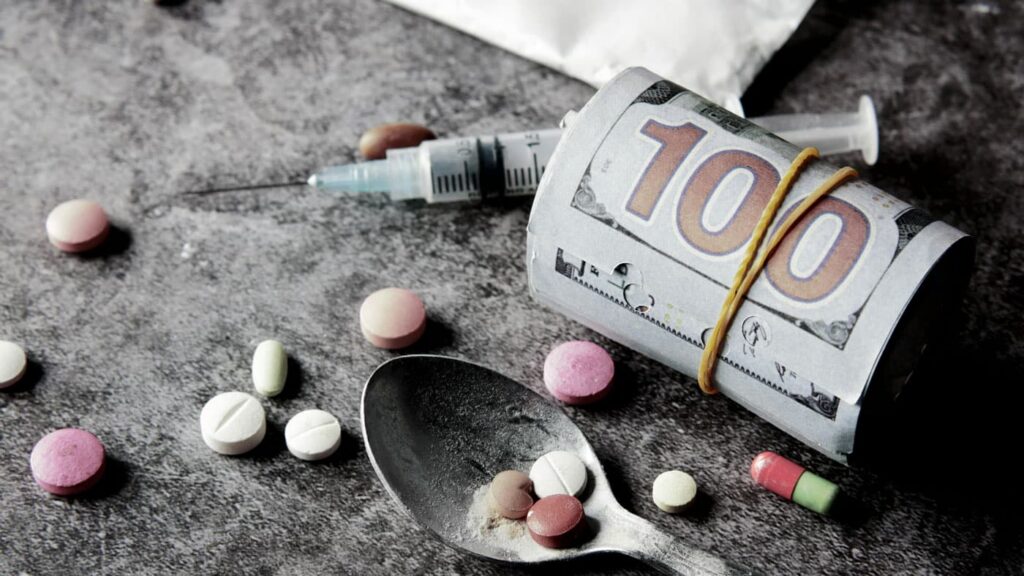
Drug paraphernalia may also be present. Depending on the method of use, this could include glass pipes, syringes, small plastic bags, burned foil, cut straws, or spoons with burn marks. [5] These items may raise concern, but they should be considered alongside broader changes in the person’s behavior and health.
Psychological Symptoms Associated With Meth Use
Meth can significantly affect mood, perception, and thinking. During intoxication, a person may appear unusually confident, excited, energetic, or talkative. That mood can quickly shift toward fear, anxiety, irritability, or aggression.
Psychological warning signs may include:
- Intense anxiety
- Irritability
- Sudden mood changes
- Restlessness
- Poor judgment
- Impulsive decisions
- Confusion
- Memory difficulties
- Suspiciousness
- Paranoia
- Delusional beliefs
- Hearing or seeing things that are not present
- Feeling watched or followed
- Unusual fearfulness
- Emotional detachment
- Depression during the crash period
Meth-related psychosis can involve hallucinations, severe paranoia, and fixed beliefs that are not based in reality. Someone experiencing psychosis may behave unpredictably because their perceptions feel completely real to them.
Avoid arguing about what the person believes or making sudden movements that could frighten them. If there is a risk of violence, self-harm, or serious medical distress, contact emergency professionals and move to a safe location.

Recognizing the Signs of Meth Addiction
Using meth does not automatically mean a person has developed an addiction. The clinical diagnosis is stimulant use disorder involving methamphetamine. It is identified through compulsive patterns of use and their consequences rather than through appearance alone.
Possible signs of meth addiction include:
- Taking more meth than originally intended
- Spending substantial time obtaining or using meth
- Experiencing strong cravings
- Trying unsuccessfully to reduce or stop use
- Continuing despite physical or psychological harm
- Neglecting responsibilities because of meth use
- Giving up important activities
- Using meth in dangerous situations
- Continuing despite relationship problems
- Needing more meth to experience similar effects
- Experiencing withdrawal after stopping
Tolerance develops when a person needs larger or more frequent amounts to produce the effects they previously experienced. Physical dependence occurs when the brain and body adapt to repeated exposure. Tolerance and withdrawal do not establish addiction by themselves, but they may form part of a wider substance use disorder.
Stopping meth may cause a significant crash. Withdrawal symptoms can include exhaustion, depression, anxiety, irritability, increased appetite, sleep changes, vivid dreams, slowed movement, concentration problems, and powerful cravings.
Meth withdrawal does not usually cause the same life-threatening complications associated with alcohol or benzodiazepine withdrawal. However, severe depression, suicidal thoughts, psychosis, dehydration, or co-occurring health conditions can make withdrawal dangerous. Professional support is especially important when these symptoms are present.
How to Respond to Suspected Meth Use
Choose a time when the person is calm and does not appear intoxicated. Speak privately and focus on specific changes you have observed. Saying, “I have noticed that you have not slept and seem frightened,” is generally more constructive than making accusations or demanding a confession.
Listen without approving of dangerous behavior. Avoid shaming, threatening, or lecturing the person. You can express genuine concern while maintaining firm boundaries around violence, stealing, drug use in the home, or other harmful conduct.
Do not confront someone alone if they appear severely agitated, paranoid, armed, or disconnected from reality. Protect your own safety and seek emergency assistance when there is an immediate danger.
An addiction professional can help determine whether the person needs medical stabilization, supervised withdrawal support, residential care, or outpatient treatment. A proper assessment can also identify mental health or medical conditions that may require additional care.
Professional Treatment Options for Meth Addiction
Treatment begins with an assessment of the person’s substance use, physical health, mental health, and living environment. The appropriate level of care depends on the severity of their condition.
Some people benefit from supervised withdrawal support. Clinical professionals can monitor mood, hydration, nutrition, sleep, cravings, and psychiatric symptoms.
There are no FDA-approved medications specifically for methamphetamine use disorder. However, medications may be used to manage certain symptoms or co-occurring conditions.
Behavioral treatments may include cognitive behavioral therapy, contingency management, group therapy, family support, and relapse-prevention planning. Care may take place in residential, partial hospitalization, intensive outpatient, or standard outpatient settings.
Finding Meth Addiction Treatment at Ocean Recovery
Recognizing the signs of meth use can feel frightening, but you do not have to manage the situation alone. At Ocean Recovery, we help individuals and families understand available treatment options and determine an appropriate next step.
Our programs address substance use alongside emotional, behavioral, and mental health concerns that may contribute to addiction. We base care on each person’s history, symptoms, recovery goals, and need for structure.
If you or someone you care about is struggling with meth use, contact Ocean Recovery at 949-942-8495. Our admissions team can answer your questions, explain available services, and help you understand what treatment may involve.
Frequently Asked Questions About Meth Use
Why Is Methamphetamine Considered Highly Addictive?
Meth strongly affects the brain’s reward system and can produce intense stimulation and euphoria. Repeated use may reinforce compulsive drug-seeking behavior and contribute to tolerance, dependence, and stimulant use disorder.
What Does Crystal Meth Usually Look Like?
Crystal meth often appears as clear, white, or faintly blue pieces resembling glass fragments or coarse crystals. Meth may also be sold as a powder or pressed into tablets. Appearance alone cannot confirm a substance’s identity, purity, or contents.
What Does Tweaking Mean During Meth Use?
“Tweaking” is a nonmedical term commonly used for the later stage of an extended meth binge. The person may no longer experience the earlier euphoria but continue using because of intense cravings. Severe sleep deprivation, agitation, paranoia, hallucinations, skin picking, and unpredictable behavior may occur. Someone displaying these symptoms may require urgent medical or psychiatric assistance.
How Can Someone Confirm Suspected Meth Use?
Physical and behavioral signs alone cannot confirm meth use. A professional assessment may include questions about symptoms, substance use, physical health, and mental health. Toxicology testing can detect recent meth exposure, although detection times depend on the testing method, frequency of use, amount taken, and individual factors. A qualified clinician should interpret test results alongside the complete clinical picture.
Disclaimer
This article provides general educational information and does not replace professional medical advice. Speak with your prescribing clinician before changing your medication or alcohol use.
Reference
Frequently Asked Questions About Meth and The Signs of Meth Use
OCEAN RECOVERY EDITORIAL GUIDELINES
The internet contains a vast amount of misinformation, but when it comes to your health only peer reviewed, research centered data matters. At Ocean Recovery, all content published throughout our website has been rigorously medically reviewed by a doctorate level clinician, and cross checked for medical accuracy. Our editorial process helps our readers trust that the information they are consuming is factual and based upon scientific data. Your health is our top priority, find out more about how we safeguard the integrity of information on our website. Read More About Our Process